ERP Ecosystem Development
ERP ecosystem development that connects business systems, data, APIs, and workflows for more efficient, scalable operations.
ERP Integration • API Connectivity • Workflow Automation • Data Synchronization • Connected Business Systems


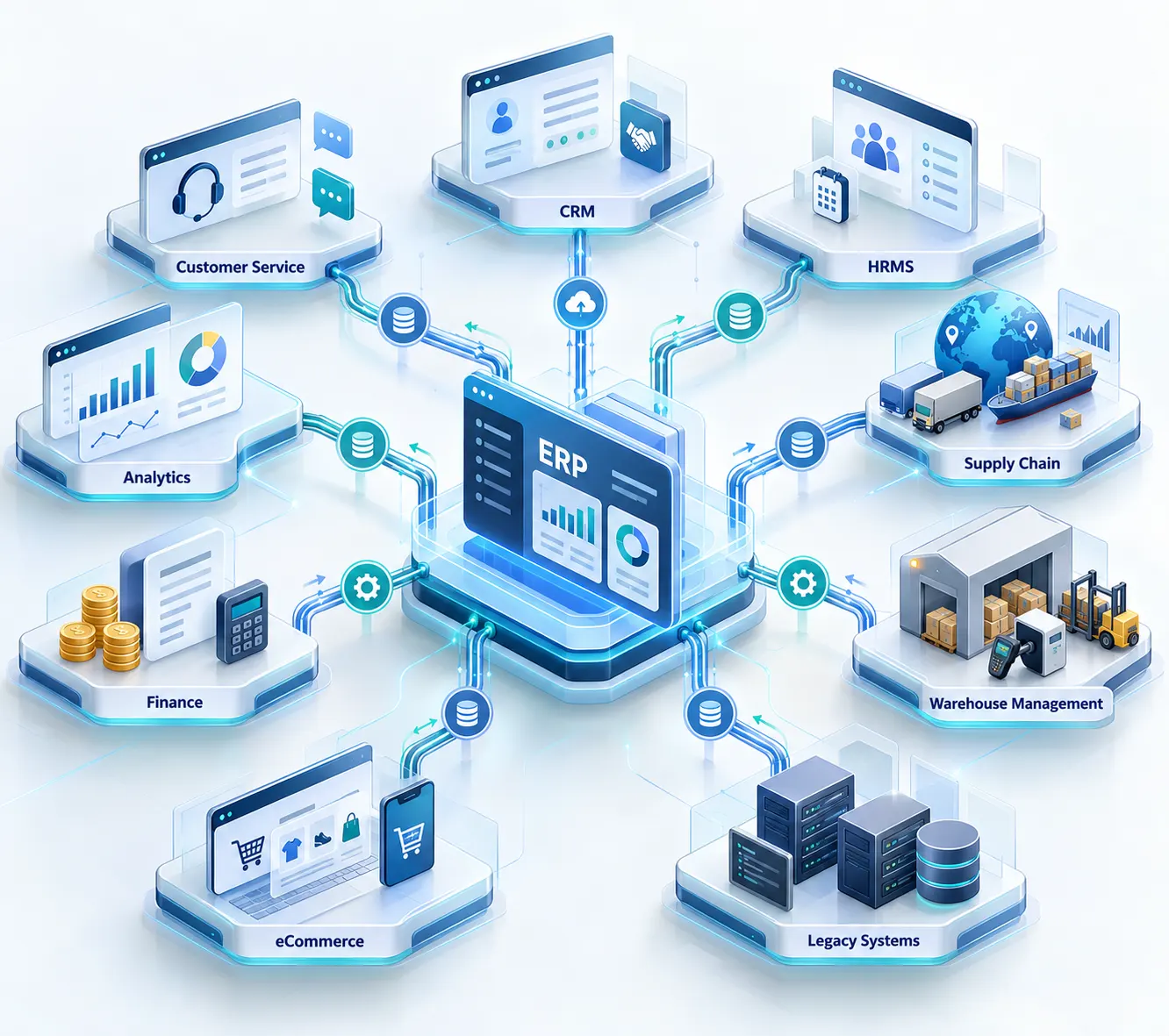
Connected ERP Integration & Automation
ERP Ecosystem Development Services
Connect the systems your business already depends on – without forcing every process into one platform. ERP ecosystem development focuses on the architecture, integrations, data flows, APIs, automation, and controls that allow ERP software to work reliably with CRM, HRMS, supply chain, warehouse, eCommerce, analytics, finance, and legacy applications. The objective is not simply to move data between tools. It is to create a connected operating environment in which systems exchange the right information, at the right time, with clear ownership and traceability. For organizations operating across multiple applications, the ERP often becomes the operational backbone while other platforms remain essential for sales, people operations, fulfilment, logistics, customer service, reporting, or specialized workflows. A well-designed ERP ecosystem helps these systems work together without creating fragile point-to-point dependencies or repetitive manual work.


WHEN CUSTOM SOFTWARE MAKES SENSE
What Is ERP Ecosystem Development?
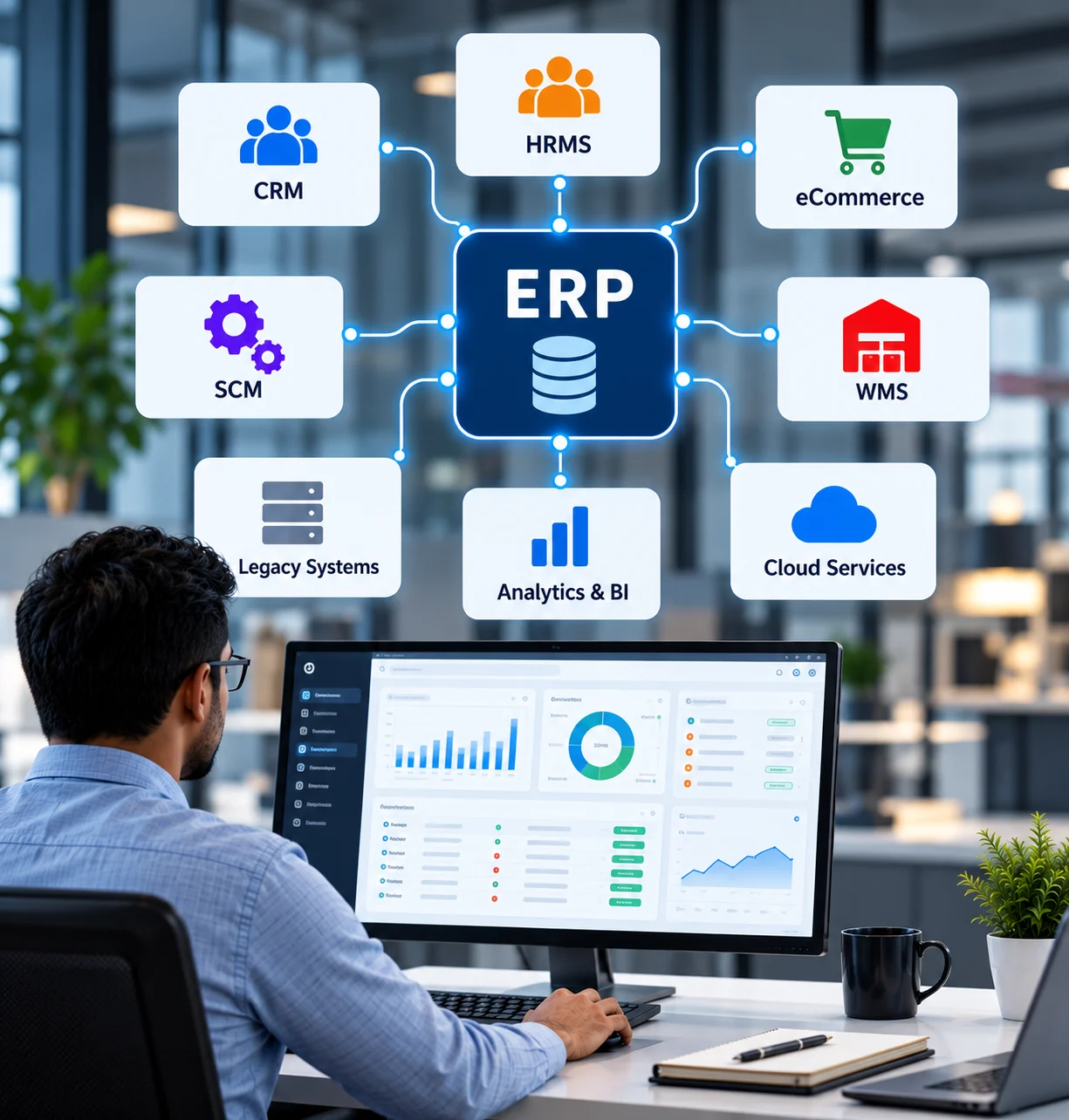
ERP ecosystem development is the process of connecting an ERP platform with the other business systems an organization relies on, so data, workflows, and operational processes can move between applications in a controlled and reliable way. It goes beyond a single integration by defining how the ERP works with CRM, HRMS, supply chain, warehouse, eCommerce, finance, analytics, and legacy systems.
The goal is to create a connected business environment where information stays synchronized, cross-system workflows can be automated, and teams can work with more consistent data. A well-designed ERP ecosystem also considers API architecture, middleware, data mapping, security, monitoring, and error handling so integrations remain stable as systems and business requirements change.
Unlike standard ERP implementation, which focuses mainly on configuring and deploying the ERP itself, ERP ecosystem development focuses on how the ERP operates within the wider enterprise technology environment.
- ERP system integration
- API and middleware connectivity
- Real-time data synchronization
- Cross-system workflow automation
- Legacy and cloud system connectivity
- Integration monitoring and error handling
Connected ERP Business Systems
Why Businesses Need a Connected ERP Ecosystem
Disconnected systems often create duplicate data, manual updates, inconsistent records, and slower workflows across sales, finance, operations, fulfilment, and support. As more applications are added, these gaps become harder to manage and audit. A connected ERP ecosystem helps business systems exchange the right information at the right time, improving data consistency, workflow automation, and operational visibility without forcing every process into a single platform.
- Consistent Data Across Systems
- Less Manual Data Entry
- Automated Cross-System Workflows
- Reliable Business Visibility
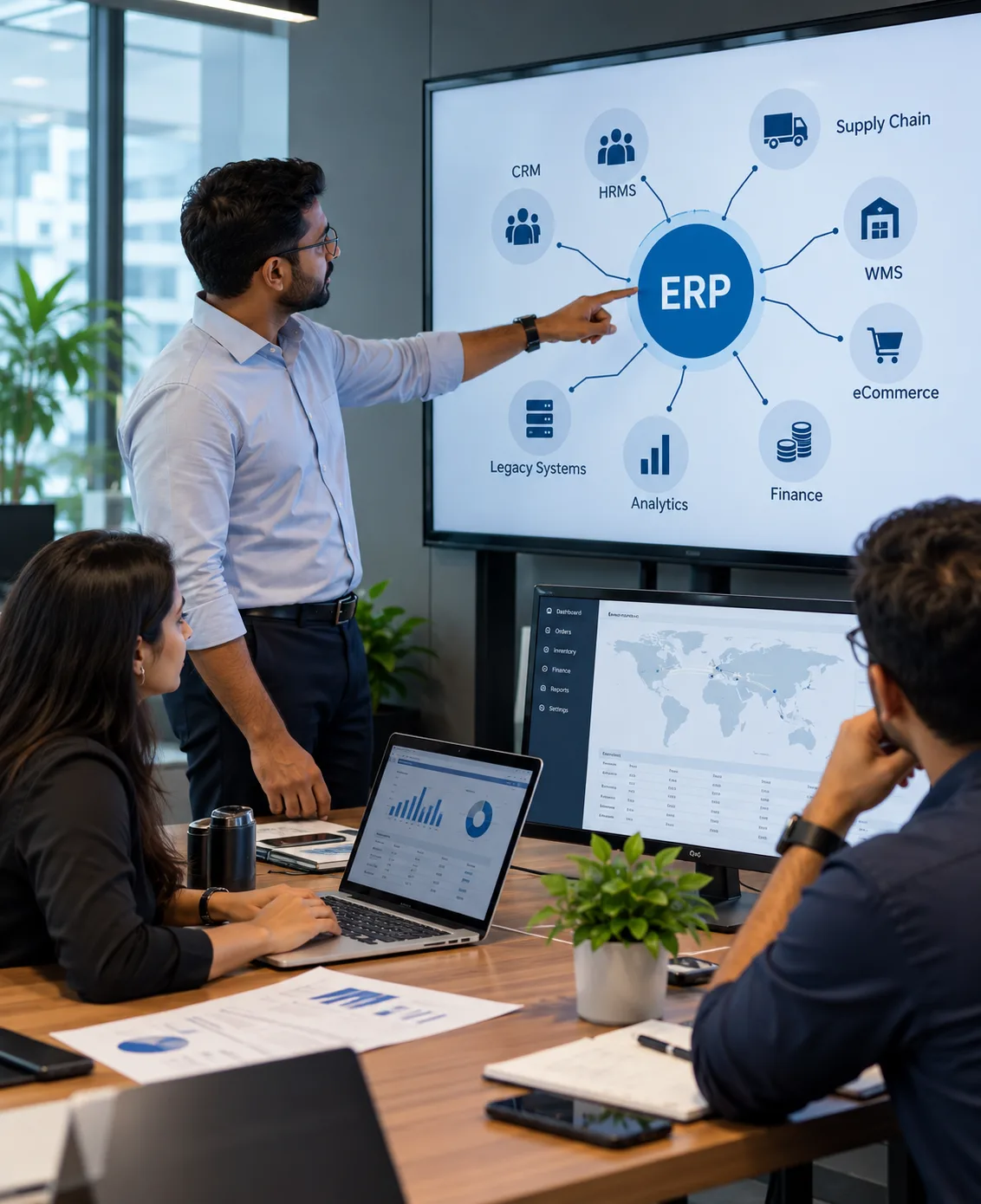
ERP Application Connectivity
Business Systems We Connect With ERP
A connected ERP environment often includes multiple business applications, operational platforms, and data systems working together. The right integration approach depends on how each system is used, which data must stay synchronized, and where automation can reduce manual work.
We focus on connecting the systems that have clear operational value, so ERP data can move reliably across departments without creating unnecessary complexity or duplicated processes.

CRM & Sales Platforms
Connect customer, quotation, pricing, sales order, contract, and status data so sales and operations work from aligned records.
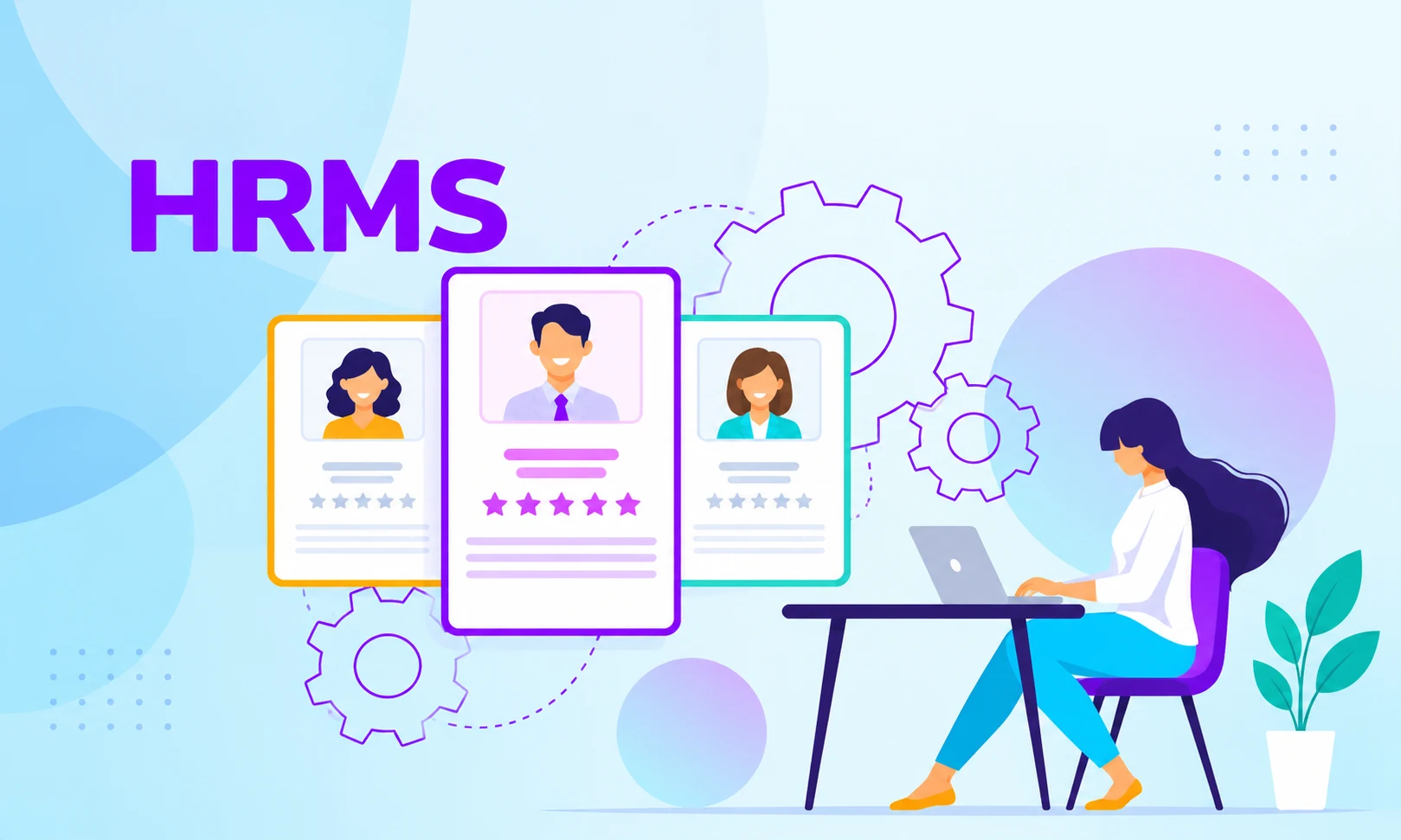
HRMS & Workforce Systems
Synchronize employee, attendance, payroll input, approval, expense, and organizational data between workforce platforms and ERP processes.
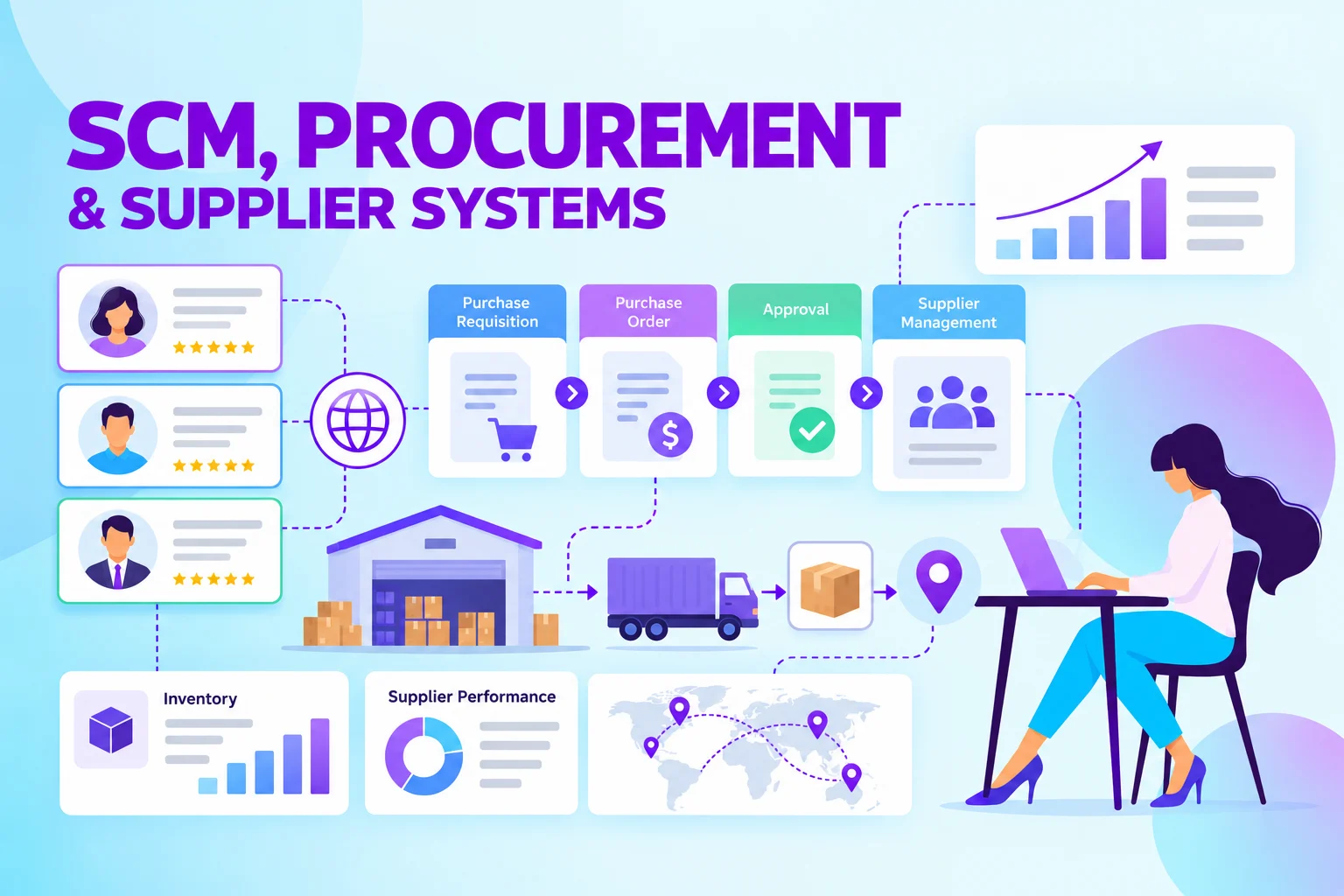
Supply Chain & Procurement Systems
Integrate supplier records, purchase orders, approvals, material requirements, receipts, and procurement status across connected workflows.
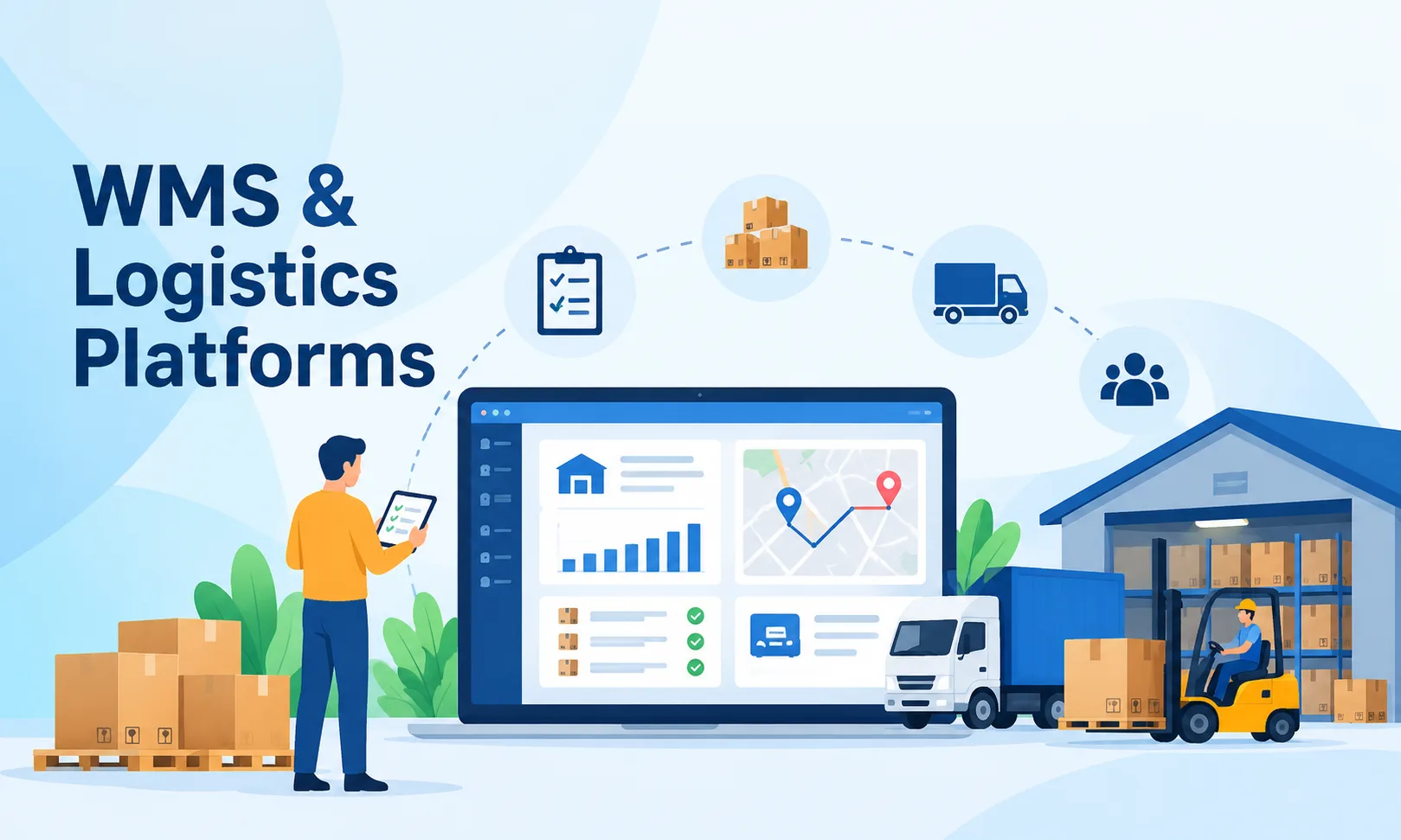
WMS & Logistics Platforms
Exchange inventory, stock movement, goods receipt, pick-pack, dispatch, shipment, and fulfilment data with warehouse and logistics systems.
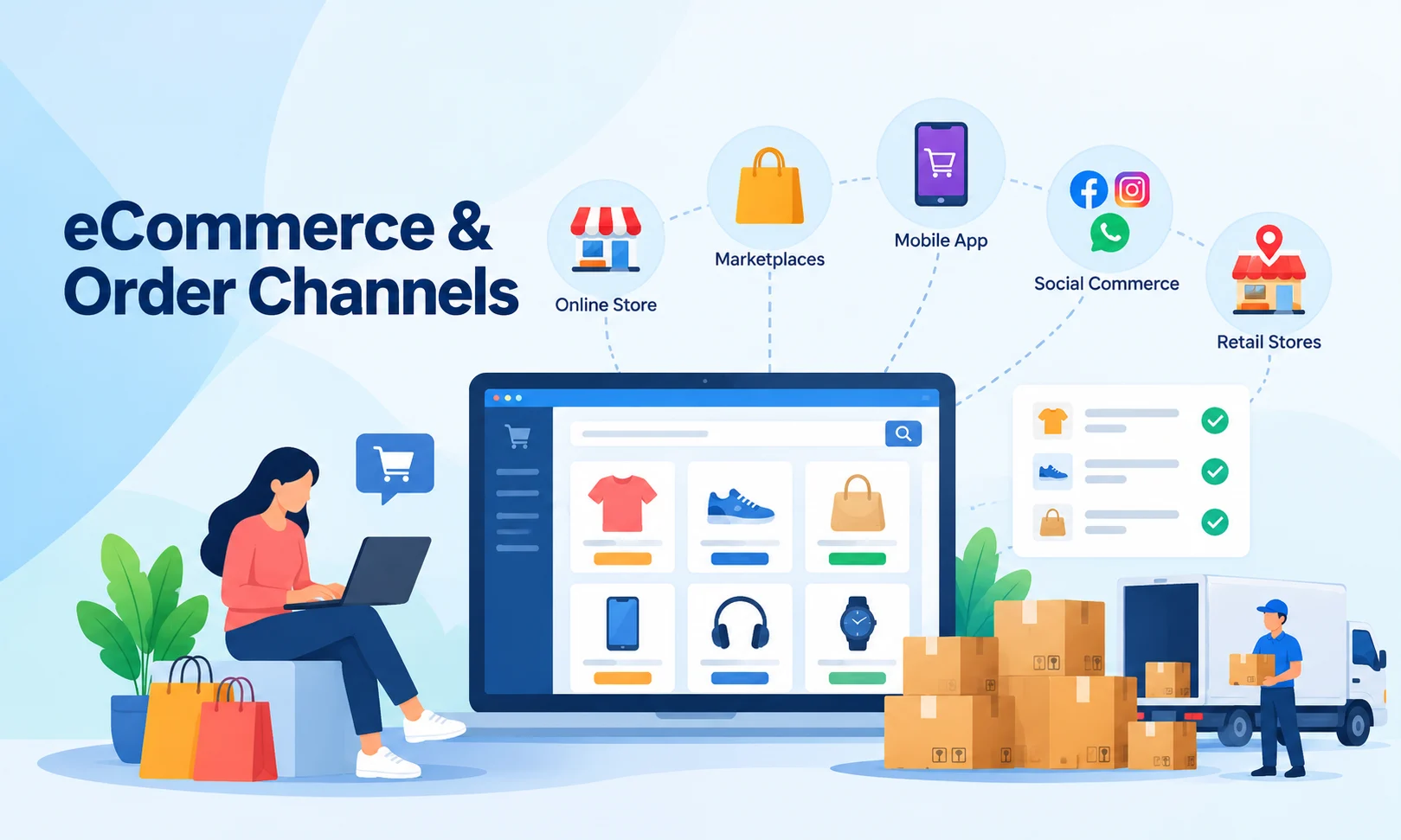
eCommerce & Order Channels
Connect product, pricing, customer, order, stock, tax, fulfilment, cancellation, and return data between digital commerce platforms and ERP.
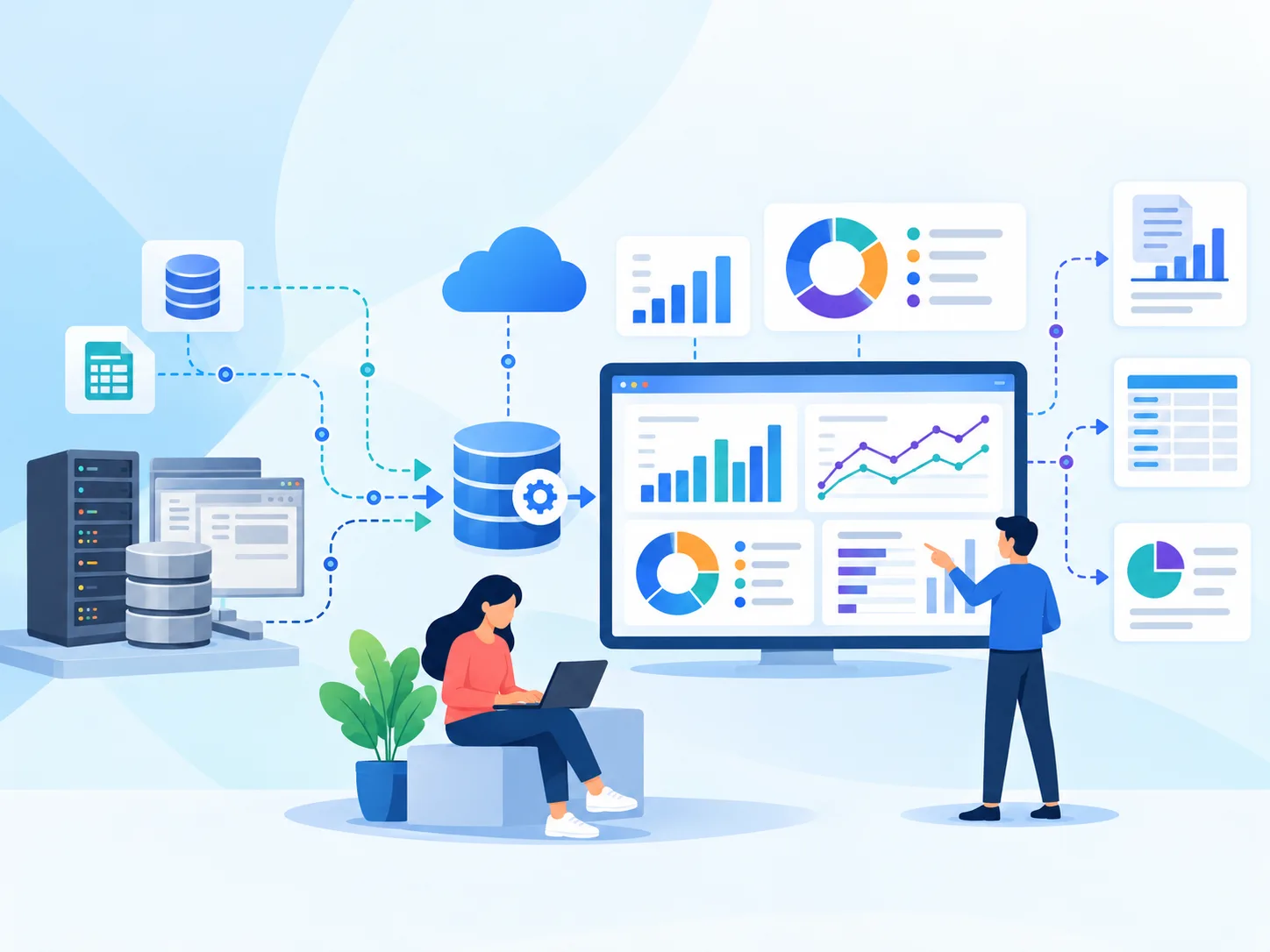
Analytics, BI & Legacy Systems
Provide governed ERP data to reporting and analytics platforms while connecting legacy applications through APIs, middleware, file exchange, or staged modernization.
ERP Integration Architecture
ERP Integration Architecture and Technologies
Build a reliable ERP integration architecture using APIs, webhooks, middleware, iPaaS, data pipelines, message queues, EDI, and secure connectivity based on each workflow’s performance, data, and reliability requirements.
APIs and Web Services
Connect ERP and business applications through secure REST, SOAP, GraphQL, and authenticated API endpoints.
Webhooks and Event-Driven Flows
Trigger actions automatically when orders, inventory, payments, customer records, or workflow statuses change.
Middleware and iPaaS
Use a centralized integration layer to manage connectors, data mapping, orchestration, retries, and monitoring.
ETL/ELT and Data Synchronization
Move and synchronize operational data across ERP, analytics, reporting, planning, and other business systems.
Message Queues and Asynchronous Processing
Decouple systems, manage high-volume events, and support reliable processing without immediate system-to-system dependency.
Files, SFTP
and EDI
Support secure structured data exchange for ERP environments that still rely on files, SFTP, or EDI workflows.
Identity and Integration Security
Protect ERP integrations with OAuth, API keys, certificates, encryption, least-privilege access, and audit logging.
Master Data Management
Maintain consistent customer, product, supplier, inventory, and financial data across ERP and connected business systems.

ERP INTEGRATION SERVICES
Build a Connected ERP Ecosystem Around Business Workflows
Semitrique helps connect ERP platforms with the applications, data sources, and services that support day-to-day operations. The focus is on reliable data movement, controlled workflow automation, clear system responsibilities, and maintainable integrations rather than disconnected point-to-point connections.
- ERP & Application Integration — Connect ERP with CRM, HRMS, WMS, eCommerce, and other business systems.
- Custom APIs & Connectors — Build integration services when standard connectors do not meet the requirement.
- Workflow & Data Synchronization — Automate handoffs, field mapping, validation, and cross-system updates.
- Legacy, Cloud & Middleware Integration — Connect older ERP environments with cloud platforms and integration layers.
- Monitoring & Integration Maintenance — Track failures, retries, data issues, credentials, and ongoing integration changes.
ERP INTEGRATION PROCESS
From System Discovery to Reliable ERP Integration
A successful ERP ecosystem project depends on understanding how systems, workflows, data, and dependencies connect before development begins. Semitrique follows a structured integration process to define ownership, select the right architecture, build and test integrations, and support reliable operation after deployment.
- Discovery & System Mapping = Identify applications, owners, workflows, dependencies, pain points, and integration constraints.
- Data & Workflow Design = Define data ownership, synchronization direction, validation rules, timing, approvals, and exception handling.
- Architecture Selection = Choose the most suitable integration approach using APIs, middleware, iPaaS, queues, batch processing, file exchange, or hybrid methods.
- Development & Configuration = Build connectors, mappings, transformations, authentication, workflow logic, and supporting integration services.
- Testing & Reconciliation = Validate normal flows, edge cases, retries, duplicate events, permissions, failures, and data consistency across systems.
- Deployment & Cutover = Release integrations in a controlled sequence, verify production data flow, manage credentials, and prepare rollback or recovery steps.
- Monitoring & Lifecycle Support = Track integration health, document dependencies, respond to platform changes, and refine integrations as business processes evolve.
ERP INTEGRATION OUTCOMES & CHALLENGES
Improve Cross-System Operations While Managing Integration Complexity
ERP ecosystem development can reduce operational friction by improving how data, workflows, and business events move between connected systems. The strongest outcomes usually come from clearer data ownership, fewer repetitive handoffs, better exception handling, and more reliable visibility across ERP-adjacent applications.
At the same time, integration work introduces practical challenges around data models, legacy systems, APIs, synchronization timing, ownership, and security. A strong integration design identifies these constraints early and defines how the ecosystem should respond when data is late, duplicated, rejected, unavailable, or inconsistent.
| Business Outcome | Common Integration Challenge |
|---|---|
| Reduce duplicate entry and manual reconciliation | Different applications may represent the same customer, product, order, or supplier differently. |
| Improve data consistency across connected systems | Legacy platforms may have limited, outdated, or poorly documented interfaces. |
| Automate repeatable cross-system workflows | Real-time synchronization may be unnecessary, expensive, or operationally complex. . |
| Make integrations easier to monitor and change | Ownership becomes unclear when multiple systems can update the same record. |
| Make Support gradual cloud adoption | Security, credentials, access control, and sensitive data movement require clear governance |
ERP INTEGRATION USE CASES
Practical ERP Ecosystem Use Cases Across Business Operations
ERP ecosystem development becomes most valuable when connected systems support real operational workflows. The examples below show how ERP platforms can exchange data with CRM, eCommerce, WMS, HRMS, supplier systems, analytics platforms, and legacy applications to reduce manual handoffs and improve process continuity.

WHY OUR ERP ECOSYSTEM APPROACH
Build ERP Integrations for Long-Term Maintainability
ERP integrations are easier to operate when the architecture reflects real business workflows, clear system responsibilities, and defined data ownership. Semitrique focuses on understanding these relationships before selecting connectors, APIs, middleware, or custom integration patterns.The goal is to create an ERP ecosystem that can be monitored, supported, and adapted as platforms, APIs, and business processes change, rather than building short-term connections that become difficult to maintain.
- Workflow-First Integration Planning — Map business processes before choosing the technical pattern.
- Clear Data Ownership — Define which system controls each important record and update path.
- Reliable Integration Operations — Plan for retries, reconciliation, monitoring, and failure handling.
- Maintainable & Adaptable Architecture — Document dependencies and prepare for future platform or process changes.
FREQUENTLY ASKED QUESTIONS
ERP Ecosystem Development FAQs
Clear answers to common questions about ERP integrations, connected systems, data flows, automation, and long-term ecosystem maintenance.
What is the difference between ERP ecosystem development and ERP implementation?
ERP implementation is primarily concerned with configuring, deploying, migrating to, and adopting the ERP platform itself. ERP ecosystem development focuses on the connections around the ERP – APIs, integrations, data synchronization, automation, middleware, and workflows that connect it with other business systems.
Can an ERP be integrated with CRM, HRMS, WMS and eCommerce systems?
Yes, when the connected platforms expose suitable APIs, files, database interfaces, events, or supported connectors. The integration design should define data ownership, timing, mappings, validation, and failure handling for each workflow.
Can you integrate a legacy ERP with cloud applications?
In many cases, yes. The method depends on what the legacy system supports. Options may include APIs, middleware, database adapters, secure file exchange, message queues, or a dedicated integration service that isolates the legacy dependency.
Should ERP data synchronization be real time?
Not always. Real-time integration is useful when the business process needs immediate updates, but scheduled or asynchronous synchronization can be more reliable and cost-effective for reporting, bulk data, or workflows that do not require instant consistency.
What is the role of middleware or iPaaS in ERP integration?
Middleware or iPaaS can provide a shared integration layer for connectors, mappings, orchestration, routing, monitoring, retries, and security. It can reduce direct system-to-system coupling, although it should be selected only when it improves the overall architecture.
How do you prevent duplicate or inconsistent records?
The design should establish a system of record for each entity, define unique identifiers, validate inbound data, control synchronization direction, and make retry or replay behaviour idempotent where possible. Reconciliation processes are also important for critical data.
How is ERP integration secured?
Security can include encrypted transport, OAuth or service authentication, least-privilege access, managed secrets, network controls, API gateways, audit logs, data minimization, and environment separation. The exact controls depend on the platforms and sensitivity of the data.
How long does ERP ecosystem development take?
There is no single timeline because the effort depends on the number of systems, quality of available APIs, data complexity, workflow rules, testing requirements, and legacy dependencies. A discovery and system-mapping phase is usually needed before a realistic delivery plan can be defined.
CONNECT YOUR ERP ECOSYSTEM
Build a Connected ERP Environment That Can Evolve
If critical business processes still depend on disconnected CRM, HRMS, warehouse, eCommerce, analytics, or legacy systems, Semitrique can help define a clearer integration architecture and a maintainable path forward.


Stay Updated with Semitrique
Get the latest digital insights & updates.
Copyright ©2026 semitrique.inc All Rights Reserved